

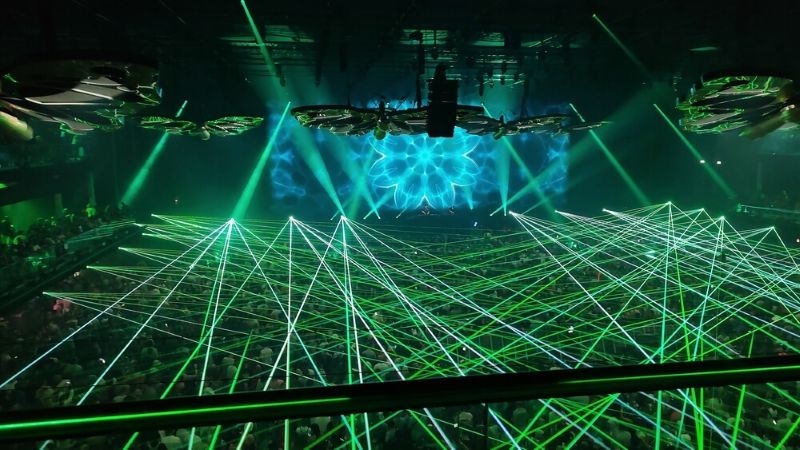
Vienna's Danube Island hosts something most Americans have never heard of: the world's largest open-air music festival. Donauinselfest draws around 3 million visitors across three July days, completely free of charge. Yet when people think of Europe's biggest music festivals in Europe, Glastonbury usually comes to mind. This disconnect matters because understanding what "biggest" really means will help you choose the right festival for your trip. Size isn't just about headliner names or social media hype. It's about the total experience you'll have when you're actually there with hundreds of thousands of other music fans.
Donauinselfest tops attendance with 3 million visitors over three days, but it's free and mostly features Austrian artists. Tomorrowland in Belgium draws 400,000 fans willing to pay premium prices for elaborate stage production. Sziget Festival in Hungary attracts 420,000 people to a week-long island takeover with 1,000 plus performances.
The biggest music festivals in Europe succeed through three factors: raw attendance, production scale, stage design, and international recognition. These elements don't always align. Glastonbury isn't open in 2026 due to a fallow year, yet it remains more culturally significant than larger festivals running this summer.
Europe's festival scene has grown into something genuinely hard to keep up with. Big production, wildly varied lineups, local culture bleeding into every corner of the grounds, there's a lot going on beyond just the music
Boom, Belgium transforms into the world's EDM capital in late July. Over 400,000 people spread across two weekends experience performances from 200-plus DJs. Stages look like futuristic cities. Attendees travel from over 200 countries. Tickets sell out within days, and many book accommodations six months ahead. The production value sets the global standard for electronic music festivals.
Budapest's Sziget sprawls across a Danube River island for a full week each August. With 60 stages and 1,000 plus performances, you could attend different shows every single hour. Party boats, amusement parks, and immersive chill-out domes debut regularly. For Americans calculating value, Sziget offers exceptional returns when divided across the performances available.
Barcelona's Primavera Sound runs June 4-6 and attracts 460,500 attendees annually. The waterfront Parc del Forum creates a stunning backdrop for music. Primavera made history in 2019 with a completely gender-balanced lineup. The "Nobody Is Normal" initiative ensures a safe space free from discrimination. This focus on diversity has made it one of the best music festivals in Europe for two decades.
Roskilde isn't just a festival; it's how Danes celebrate midsummer. Running eight days in late June through early July, it combines massive headliners with performance art and activism programming. The Scandinavian organization makes it notably clean and well-run. Attending feels more like a community gathering than a commercial event. Cultural weight rivals Glastonbury despite smaller attendance.
Skip the overcrowded headliner stages. A handful of smaller festivals with odd locations, weirder music, and actual soul are doing something the big ones stopped doing years ago
Portugal's Tremor Festival happens on São Miguel island, approximately 930 miles west of mainland Portugal in the Atlantic. Performances occur at secret island locations, some reached only by jungle trek or raft. The experimental music focus leans toward folk, punk, and electronic. Limited tickets create mystery and discovery. For travelers wanting something genuinely different, this stands out completely.
Croatia emerged as Europe's premier dance music destination. Love International in July and Terminal V Croatia in July offer sophisticated electronic lineups in coastal settings. Love International consistently books the most thoughtfully curated DJs of any European festival. Terminal V operates from five locations, including beach stages and olive groves. The Adriatic Sea backdrop elevates everything.
Portugal's Paredes de Coura operates with just three main stages, yet it has run for 30 years. The natural amphitheater created by surrounding valleys provides incredible acoustics. You can float down the river between performances on a raft. This remains one of the best music festivals in Europe for those valuing intimacy and curation over size.
Different festivals attract different people. Electronic fans must see Tomorrowland or Dekmantel in Amsterdam. Rock and alternative fans belong at Way Out West in Sweden or Open'er in Poland. Indie lovers should head to Primavera Sound or End of the Road in England.
Timing matters significantly for American travelers. June through August represents peak festival season. The biggest top 10 music festivals in Europe happen during summer vacation months. Book accommodations three to six months ahead for major events. Many festivals offer single-day tickets, so you don't need full weekend commitments.
American festivals operate on premium pricing and exclusive experiences. European festivals take different approaches. Donauinselfest is completely free. Many keep costs reasonable compared to American events. Shambala in England runs 100 percent meat-free and uses renewable energy. Festivals incorporate local art, activism, and performance installations.
Europe's geography helps too. Festivals sit within driving distance of each other. You could attend multiple events within weeks, nearly impossible across North America. Many festivals boast decades of history. Montreux Jazz has run since 1967. Roskilde started in 1971. This heritage creates traditions and deep community connections.
You may also like: Las Vegas Local Events Guide: Shows, Festivals & Strip shows
Start by choosing what matters most to you. Want massive production and crowds? Head to Tomorrowland. Seeking intimate discovery? Try Paredes de Coura or Tremor Azores. Want gender-inclusive programming? Primavera Sound is your destination. Want the most performance for your money? Sziget delivers week-long value.
Start planning in the fall for summer festivals. Book flights early and purchase festival tickets within the first few weeks of sales opening. Consider visiting two festivals within the same trip. The proximity of these top 10 music festivals in Europe makes multi-festival trips doable without excessive travel stress.
For Tomorrowland, Sziget, and Primavera Sound, purchase tickets within two to three months of sales opening. Most sell out general admission well before the actual event dates. Early bird pricing typically saves 30 to 50 percent compared to final releases. Set alerts on official festival websites and follow their social media channels for announcement dates. Many festivals announce sale dates in advance.
Prices vary dramatically across Europe's biggest music festivals in Europe. Free festivals like Donauinselfest cost nothing. Most major events charge 150 to 350 dollars for weekend passes. Daily tickets run 75 to 150 dollars typically. Luxury camping and VIP experiences add significant costs. Budget-friendly options like Sziget and Roskilde cost 40 to 50 percent less than comparable American festivals, making Europe genuinely affordable.
Yes, absolutely. Europe's festival proximity makes this practical and popular. You could attend a June festival in Barcelona, travel to Denmark for Roskilde in early July, then head to Hungary for Sziget in mid-August. Build in travel days between events and account for jet lag. Consecutive festivals require physical stamina. Most first-timers handle two major festivals per trip comfortably without exhaustion or burnout.
This content was created by AI