

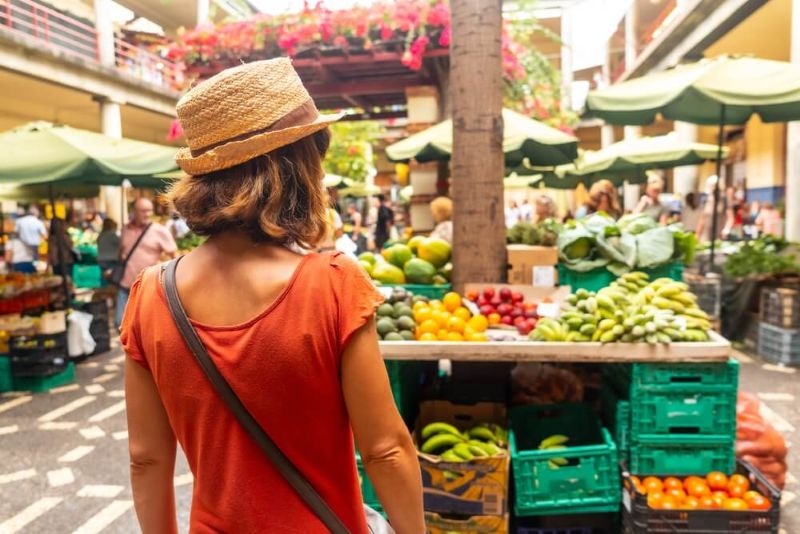
City life changed fast over the last decade. People became tired of giant grocery chains, plastic-wrapped food, and endless checkout lines. They wanted something slower, more direct. That’s where the modern farmers' market stepped in. Not just as a place to buy tomatoes or bread — more like a weekly ritual. Families go there on Saturdays, young professionals carry tote bags around, and retirees chat with growers they know by name.
The shift also came from distrust. Shoppers started asking where food comes from, how it was grown, and who made it. Farmers' markets answered those questions in simple ways. Face-to-face selling matters more now. Strange, maybe, considering how digital everything became.
In this blog, we’ll look at why farmers' markets are expanding across U.S. cities, how they affect local economies, why younger consumers keep supporting them, plus the role of food, culture, vendors, and community habits behind the trend.
People want fresh food. That’s the obvious reason, though not the only one. Urban consumers are paying attention to quality now — texture, taste, farming methods, even travel distance of produce. Grocery stores still dominate, sure, but markets feel more human.
Another thing happened during recent years. Many consumers began supporting local businesses after seeing supply chains fail or prices rise sharply. Small growers suddenly became important again. Farmers' markets benefited from that shift.
Freshness is part of the attraction, too. Vegetables harvested a day earlier simply taste different. Fruits last longer. Bread feels less processed. Buyers notice it immediately.
Markets also feel alive in ways supermarkets rarely do. Music, food trucks, local artists, and coffee stands. Children running around. Dogs everywhere. It became social, not transactional.
Large supermarket systems usually favor industrial suppliers because they can provide huge volumes consistently. Small farms struggle to enter those systems. But local produce markets create another route. Farmers bring products directly into cities, avoiding middle layers.
That direct selling matters financially. Farmers often earn more profit at markets compared to wholesale distribution. One weekend market can cover costs that otherwise take weeks through traditional channels. Sometimes more.
Markets force people to eat seasonally again. Strawberries in spring. Apples in autumn. Sweet corn during summer. There’s unpredictability in it. Some shoppers actually enjoy that limitation because food feels tied to place and time instead of endless inventory.
Cities lost that connection for years. Farmers' markets brought some of it back.
Suggested Reading: Las Vegas Local Events Guide: Shows, Festivals & Strip shows
Food is only half the picture now. Markets expanded beyond vegetables years ago. Today, many feature handmade soap, candles, pottery, pastries, hot sauces, jams, and leather goods — the list keeps growing. Artisan vendors in the USA culture became tightly linked with farmers' markets.
A few reasons artisan vendors thrive at markets:
These vendors also change the atmosphere. A produce-only market feels functional. Add crafts, baked goods, coffee roasters, street musicians — suddenly it becomes an event.
Shopping malls used to dominate weekends in American suburbs and cities. That pattern weakened. Many malls declined, while outdoor public spaces gained popularity again. Farmers' markets slid naturally into that gap.
Modern community shopping events aren’t just about spending money. People meet friends there, eat breakfast, and listen to local bands. Some cities organize yoga classes near markets. Others host cooking demos or children’s art stations.
Millennials plus Gen Z consumers are driving much of this growth. These groups often prioritize experiences over ownership. Farmers' markets fit perfectly into that mindset. You shop, socialize, eat, take photos, and support local businesses — all in one place.
Social media amplified it, too. Open-air markets photograph well. Flowers, handmade bread, colorful fruit stands. The visual side helped markets become trendy again, though the trend stuck because people genuinely liked the experience.
Don't Miss: Night Markets USA Bring Food, Music, and Culture After Dark
Interest in cleaner eating keeps growing across the U.S. That doesn’t mean everyone buys fully organic products, but awareness has increased sharply. Consumers read labels now.
People started caring more about their health, too. Families began linking what they eat to how they feel years down the line. Processed food just doesn’t get the same trust it used to. At these markets, fresh produce stands out—it looks cleaner, simpler, and not so industrial.
Environmental awareness plays a role, too. Many buyers prefer food grown closer to home because transportation emissions are lower. Packaging waste also tends to be reduced at markets compared to supermarkets.
Entertainment costs climbed in cities. Restaurants, concerts, shopping centers — expensive fast. Farmers' markets offer relatively cheap outings for families. You can walk around for hours without spending heavily.
That made markets one of the easier weekend activities for urban residents looking to get outside without committing to major expenses. Children usually enjoy them too. Samples everywhere. Pets around. Music playing. Markets feel informal and easygoing.
Also Read: Creative List of Best Seasonal Events in USA Locations
Farmers' markets grew because they offer something supermarkets often don’t — connection. People meet growers, taste fresher food, support nearby businesses, and spend time outdoors. The experience feels slower but more real. That matters now, maybe more than before.
The rise of local produce markets, artisan sellers, organic food culture, plus community-centered shopping changed how many Americans spend weekends in cities. Markets stopped being tiny side events. They became part of urban identity.
A lot depends on the local harvest and what the weather brings. In colder places, markets slow down or even close up in winter, simply because there isn’t much growing. Sticking to certain seasons also helps farmers handle costs, staff, and getting their products to market without overextending themselves.
Sometimes they are—especially when it comes to organic stuff or handmade items. But honestly, it depends on where you are, what time of year it is, and how much competition vendors have.
They really do. Growers often bring “ugly” fruits and veggies that big grocery stores won’t touch because they don’t look perfect. Shorter supply chains mean less time sitting and less waste from transport.
Local officials see markets as a way to boost the economy, draw visitors, and strengthen neighborhoods. Plus, they make better food easier to get and give a leg up to independent small businesses. Markets liven up commercial areas and help communities thrive.
This content was created by AI