


Community swap events can help families save real money because they turn unused things into useful things without another shopping bill. A child’s winter coat, a stack of books, baby toys, kitchen extras, sports gear, or school supplies can move from one home to another instead of sitting in a closet.
For many families, that is not just “nice.” It helps. Groceries cost more, kids grow fast, and small purchases add up quietly. One Saturday swap at a school gym or church hall can sometimes replace a whole cart of things a family was about to buy.
The best part about community swap events is how ordinary they feel. Nobody has to make a big financial plan or learn complicated savings tricks. Families bring clean, usable items they no longer need, and they take home things that still have life left in them.
It also feels less awkward than asking around for help. Everyone is giving something, taking something, or both. That makes the whole thing feel fair and friendly, not like charity.
Most swaps include simple household items, such as:
These are exactly the items families often buy again and again. So when the same things are shared locally, the savings can show up fast.
The question how do community swap events help families save money has a simple answer. They reduce the need to buy new things every time a family’s needs change. Children outgrow clothes. Hobbies change. Extra mugs appear in cabinets for no clear reason. Someone else can still use all of it.
That is why how do community swap events help families save money is not only about free items. It is about slowing down unnecessary spending. A parent who finds two pairs of kids’ jeans, a lunchbox, and a set of books at a swap may avoid a store trip that would have cost $60 or more.
Small wins count. Families do not always need one huge money-saving move. Sometimes they need ten small ones in a month.
Clothing exchange events are especially useful for families because clothes are one of those expenses that never really stop. Kids grow. Seasons change. Workwear wears out. Special-occasion outfits get used once and then hang there, looking guilty.
At clothing exchange events, families can bring items in good condition and pick up what they need. A jacket that no longer fits one child may be perfect for another. A barely worn dress can find a new home. Jeans, sweaters, baby onesies, and school clothes usually move quickly.
Clothes make sense for swaps because they are easy to sort, easy to carry, and easy to reuse. Most families have at least a few items that are still good but no longer useful to them.
A simple clothing table can help parents avoid spending on things that may only be used for a few months.
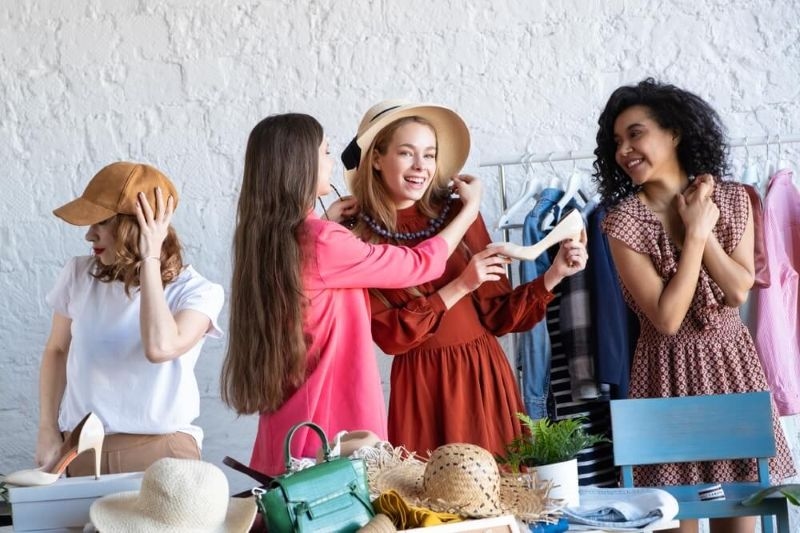
Neighborhood swaps work well because they happen near the people who need them. A swap hosted at an apartment clubhouse, school, library, park, or community center feels easier to attend than a big sale across town.
There is also a trust factor. In neighborhood swaps, people often recognize each other. They may chat, trade tips, or mention what they will bring next time. It slowly turns saving money into a community habit, not just an individual struggle.
A family may go for a backpack and come back with a lamp, a cookbook, and a scooter. That is the funny thing about swaps. People often find things they needed but had not put on a shopping list yet.
Check Out: How Can Fake Reviews Detection Keep Shopping Safe Today?
The local sharing economy is not only about apps, rentals, or big community projects. Sometimes it starts with a folding table full of toys and a sign that says “take what you need.” That is enough.
When families share items nearby, fewer things go to waste. Money stays in the household. People meet neighbors. Items get used for longer. It is practical, but it also feels a little warmer than buying everything new.
The local sharing economy works best when people do not treat swaps like dumping grounds. Clean items, fair rules, and simple organization keep the event useful for everyone.
Organizers can keep things running smoothly with a few basic rules:
Good rules make people want to come back.
Budget-friendly events do not need to feel dull or desperate. A swap can feel almost like a small treasure hunt. Families walk in not knowing exactly what they will find, and that is part of the charm.
Children may pick books. Parents may find kitchen items. Someone may spot a winter coat in the right size at the right time. These little moments make budget-friendly events feel less like cutting back and more like being resourceful.
Adding coffee, music, a kids’ corner, or a simple snack table can make the event feel welcoming without raising costs much.
Read Next: How Negative Customer Reviews Improve Local Business Quality
Sustainable living can sound big and serious, but swaps make it very down-to-earth. Reusing a toy, jacket, or set of dishes is simple. It keeps items out of the trash and reduces the need for new production, packaging, and shipping.
For families, sustainable living works better when it fits normal life. A swap event does not ask anyone to be perfect. It simply gives people a better option before buying new.
That is the beauty of it. Saving money and wasting less can happen at the same time.
A family can start sorting through closets, drawers, toy bins and storage boxes a few days before the event. Items should be safe, clean and still useful. It helps to sort things by type (e.g. clothes, toys, books, household goods) so drop-off is quicker and less stressful on event day.
Broken toys, stained clothes, expired products, damaged electronics, used personal-care items, and unsafe baby gear should usually be left out. The goal is to share things another family can use happily, not pass along clutter. The higher quality of the items people bring makes the event feel more respectful and useful for everyone who attends.
Yes, swap events can work very well in small communities, as people know each other and know what the needs are locally. Even a small event with ten or fifteen families can help move useful items around. Schools, libraries, churches, and apartment groups can start with one category, such as kids’ clothes or books.
This content was created by AI